
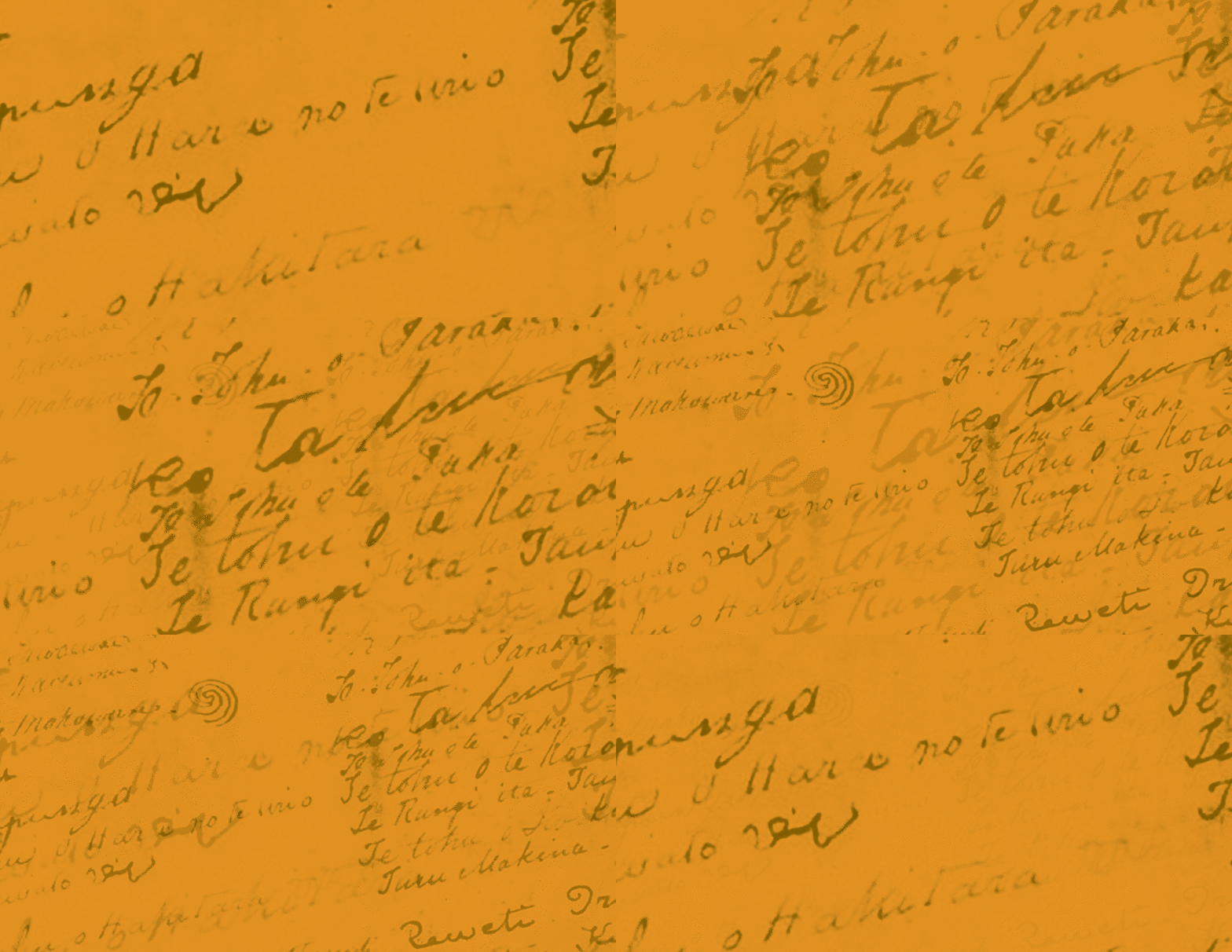
In 1840, Māori made up the vast majority of the New Zealand population, and were the undisputed owners of virtually all of the land. However, an increasing number of British citizens were settling in New Zealand, prompting the British Government to draw up a treaty which would help the two races live peacefully together.
The Treaty of Waitangi signed on 6 February 1840 by a Crown representative and over 500 chiefs, is, in essence, the founding document of this nation. It identifies a unique relationship between iwi and the Crown. That relationship is based on the promises and obligations, which the Treaty sets out, and which were believed to be mutually advantageous.
• The treaty gave settlers the right to remain in New Zealand.
• The treaty promises Māori that they can continue to own their lands, forests and fisheries for as long as they wish.
• The treaty acknowledges the right of Māori to make their own decisions about their lands and the way the live.
• The treaty enabled the establishment of a government to ensure peace and order for all.
• The treaty promises to protect all things valuable to Māori.
• The treaty gives Māori the same rights as British citizens.
Whilst it may be argued that both parties signed the treaty in good faith there have been a wide variations in the way the intentions and promises of the treaty have been applied over the past 160 years.
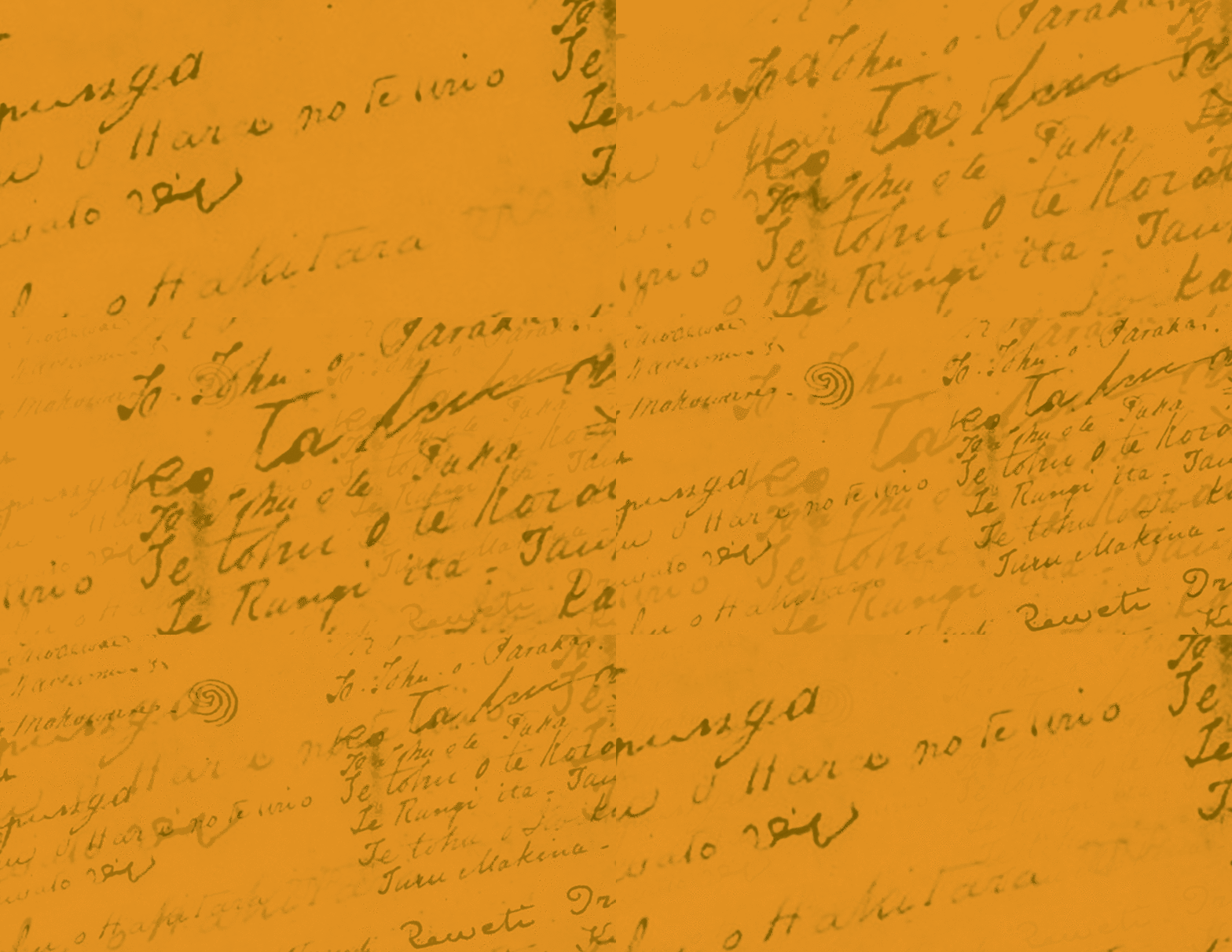
In 1840, Māori made up the vast majority of the New Zealand population, and were the undisputed owners of virtually all of the land. However, an increasing number of British citizens were settling in New Zealand, prompting the British Government to draw up a treaty which would help the two races live peacefully together.
The Treaty of Waitangi signed on 6 February 1840 by a Crown representative and over 500 chiefs, is, in essence, the founding document of this nation. It identifies a unique relationship between iwi and the Crown. That relationship is based on the promises and obligations, which the Treaty sets out, and which were believed to be mutually advantageous.
• The treaty gave settlers the right to remain in New Zealand.
• The treaty promises Māori that they can continue to own their lands, forests and fisheries for as long as they wish.
• The treaty acknowledges the right of Māori to make their own decisions about their lands and the way the live.
• The treaty enabled the establishment of a government to ensure peace and order for all.
• The treaty promises to protect all things valuable to Māori.
• The treaty gives Māori the same rights as British citizens.
Whilst it may be argued that both parties signed the treaty in good faith there have been a wide variations in the way the intentions and promises of the treaty have been applied over the past 160 years.
